
A house can look finished and still be running on its original plumbing. New paint, new counters and new floors say nothing about the pipe in the walls or the sewer line under the yard. The weeks after closing, and the start of a remodel, are the best time to find out, because the walls may already be open and nothing has failed yet.
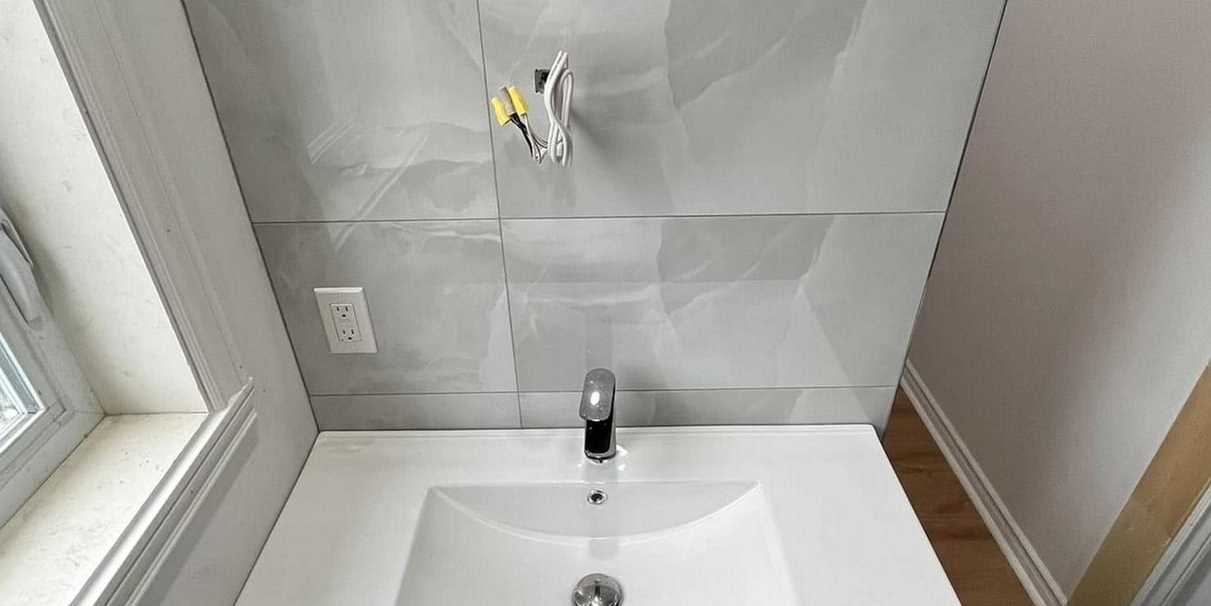
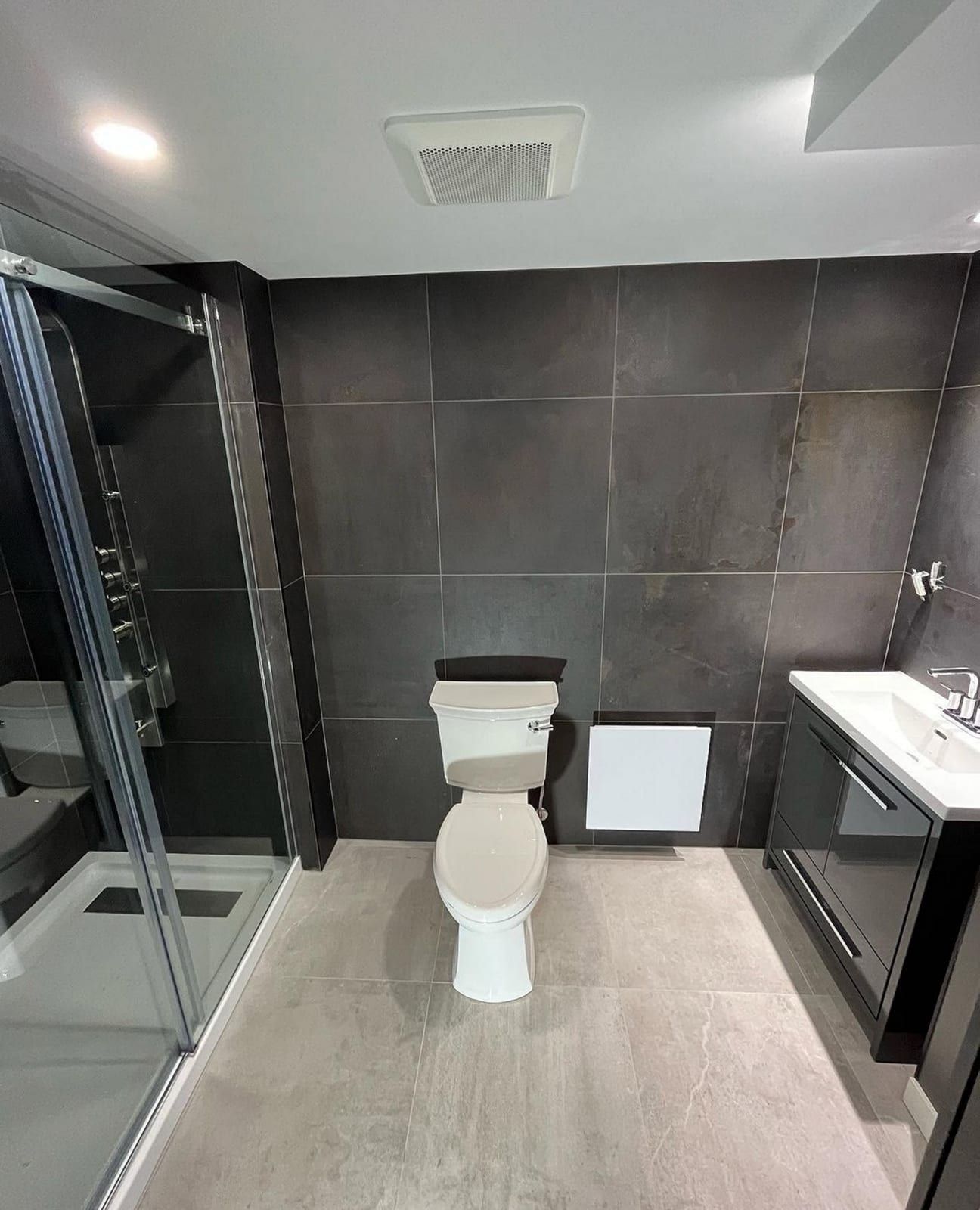
Remodels are a big part of the work: the fixtures and supply lines for new kitchens and baths, drain changes, and the sewer and drain replacement or re-pipe that an older house sometimes needs before the new finishes go in.
| Symptom | Likely cause | Usual fix |
|---|---|---|
| Low pressure at several faucets | Galvanized supply pipe narrowed by rust inside | Replace the galvanized runs or re-pipe the house |
| Brown water when a tap first opens | Rusting galvanized pipe or an old water heater | Flush and test; replace the pipe or the heater |
| Slow drains throughout the house | Cast-iron drains scaled up inside, or a tired sewer lateral | Clear and inspect; replace failing sections with ABS |
| Sewer smell in a bathroom | A dry trap, a failed wax seal or a cracked drain | Find the source; reseal or replace |
| Water heater with no straps or a short relief pipe | An older install not brought up to code | Add straps and a proper discharge line, or replace |
| Relief valve dripping on the water heater | Thermal expansion in a closed water system | Add an expansion tank and check the pressure |
Mid-Century La Mesa Houses
Much of La Mesa’s housing went up in the middle of the last century, often on sloped lots. Many of those homes still have galvanized steel supply pipe, which rusts from the inside until the flow drops, and original cast-iron drains that scale up and crack with age. The sewer laterals from that era are often clay or cast iron, under decades of tree roots. None of it means the house is in trouble, but it is the plumbing to check first.
Before the Visit
- Note the home’s age and, if you know it, what the pipes are made of: galvanized, copper, PEX, cast iron, ABS or clay.
- List every fixture and drain you want checked, including any that seemed slow or noisy during the walkthrough.
- Locate the main shutoff and the water heater, and make sure both can be reached.
- Write down any past leaks, stains or repairs the sellers disclosed.
Checking the Plumbing on a Home Purchase
What does a plumbing check cover when buying a home?
A general home inspection notes what is visible. A plumbing check goes further on the systems that cost the most to fix: what the supply pipe is made of and how it is holding up, the water pressure, the water heater’s age, strapping, venting and relief line, the shutoff valves, every fixture and drain you want looked at, and the condition of the main drain and the sewer lateral out to the street.
For an older house, the sewer lateral deserves the most attention, because it is buried, it is the buyer’s responsibility, and replacing it is the largest plumbing job most homes ever need.
Remodels and Permits
Which remodel changes need a permit?
Moving a fixture to a new spot, adding a bathroom, running new supply or drain lines, replacing a water heater, re-piping and replacing a sewer line are the kinds of plumbing work that usually need a permit and an inspection. Swapping a faucet or a toilet in the same place usually does not.
The rules are set by each city, and La Mesa’s and the county’s can differ, so the right answer depends on the address and the scope. It is worth settling before the walls are opened, because an inspector needs to see new pipe before it is covered.
Know What Is in the Walls
Tell Gabriel about the house and what you plan to change, and get an estimate before any work starts.